
Getting arrested triggers a cascade of immediate decisions, and the choices you make in those first hours and days can dramatically impact the outcome of your case. Most people have never been arrested before and feel overwhelmed, scared, and unsure about what to do next. Unfortunately, this vulnerable state often leads to critical errors that can damage their defense before they even consult an attorney.
The criminal justice system in San Diego County moves quickly, and the prosecution begins building their case against you immediately after arrest. Understanding what not to do is just as important as knowing the right steps to take. These common criminal defense mistakes can mean the difference between a case dismissal and a conviction with lasting consequences.
Mistake #1: Talking to Police Without an Attorney
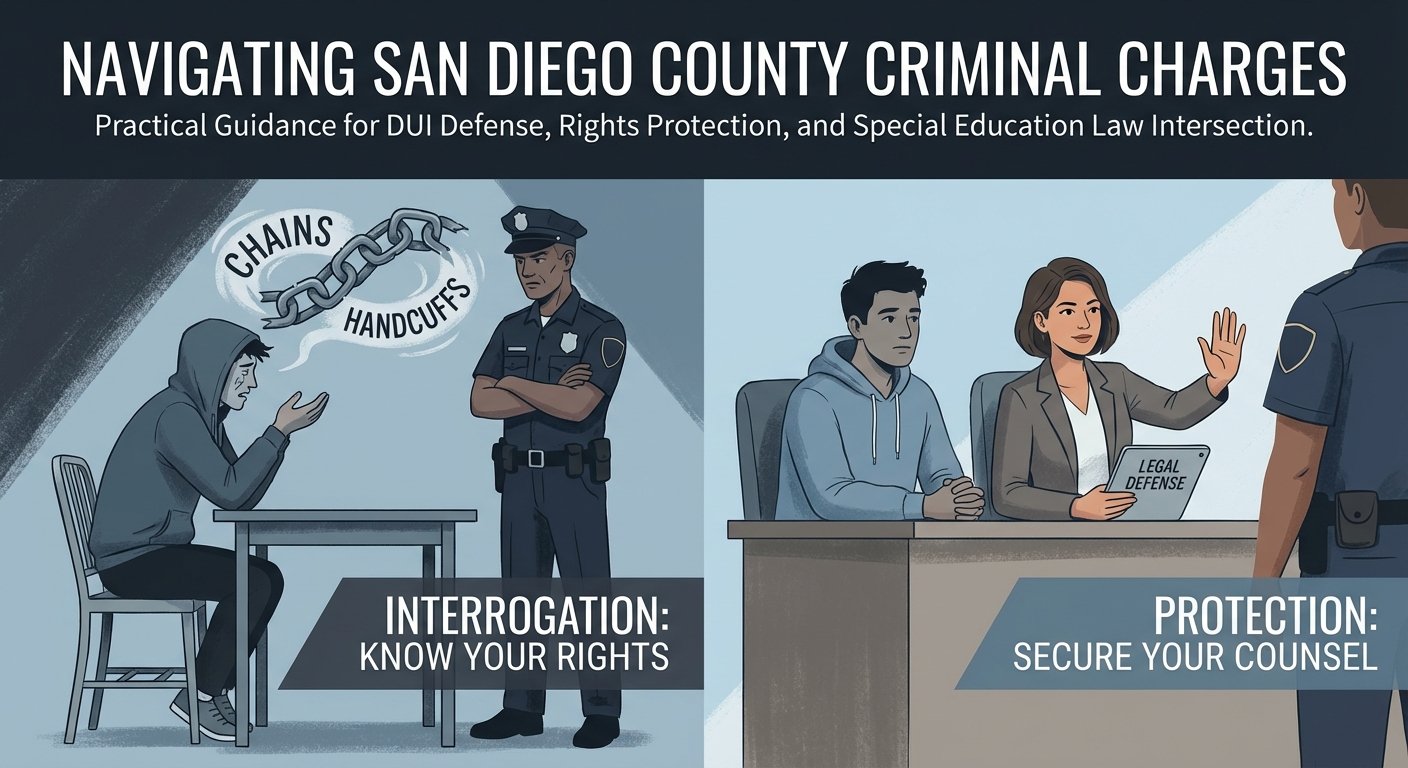
This is the single most damaging error people make after arrest. Many believe that if they just explain their side of the story, the police will understand and let them go. Others think that remaining silent makes them look guilty. Neither assumption is correct.
When police read your Miranda rights, they’re not just following protocol—they’re warning you that anything you say will be used against you in court. Law enforcement officers are trained in interrogation techniques designed to elicit incriminating statements, even from innocent people. They may seem friendly or suggest that cooperation will help your case, but their job is to gather evidence for prosecution, not to help you build a defense.
The reality about talking to police is stark: you cannot talk your way out of an arrest. Once you’re in custody, the decision to arrest has already been made. However, you can absolutely talk your way into a stronger prosecution case. Even seemingly innocent statements can be taken out of context, misremembered, or twisted to support charges against you.
The correct after arrest advice is simple: politely invoke your right to remain silent and request a criminal defense attorney immediately. Say clearly: “I’m invoking my right to remain silent, and I want to speak with my attorney.” Then stop talking. You’re not being difficult or uncooperative—you’re exercising constitutional rights that exist specifically to protect you.
Mistake #2: Waiting Too Long to Hire a Criminal Defense Attorney
Many people delay hiring an attorney because they’re hoping the charges will just go away, or they believe they only need a lawyer if the case goes to trial. This delay can be devastating to your defense.
Critical evidence can disappear quickly. Witnesses’ memories fade, surveillance footage gets recorded over, and physical evidence can be lost or destroyed. An experienced criminal defense attorney can begin investigating immediately, interviewing witnesses while events are fresh, and preserving evidence that might exonerate you.
Early representation also means your attorney can potentially intervene before charges are even filed. In some cases, a skilled defense lawyer can present evidence to the prosecutor that results in reduced charges or no filing at all. Once charges are formally filed, this opportunity is lost.
The first court appearance, your arraignment, happens quickly—sometimes within 48 hours for in-custody arrests. Having an attorney at this crucial stage ensures that your rights are protected, appropriate bail is requested, and you understand exactly what you’re being charged with and what comes next.
Working with a solo practitioner like myself means you get immediate, personal attention to your case. You’re not passed off to junior associates or left wondering about your case status. From the moment you call, you’re working directly with the attorney who will handle every aspect of your defense.
Mistake #3: Discussing Your Case on Social Media
In 2026, this mistake has become increasingly common and damaging. People naturally want to share their frustrations, defend themselves publicly, or respond to what others are saying about their arrest. Posting about your case on Facebook, Instagram, Twitter, or any social media platform is a serious criminal defense mistake.
Prosecutors regularly search defendants’ social media accounts looking for evidence. That photo from last week could contradict your alibi. Your angry rant about the incident might be used to demonstrate consciousness of guilt or ill intent. Even posts that seem unrelated to your case can be taken out of context.
Don’t assume that deleting posts will help. Screenshots can be taken before deletion, and deleted content can often be recovered through legal processes. Privacy settings don’t provide protection either—content can be accessed through friends’ accounts or legal subpoenas.
The safest approach is to stop posting on social media entirely while your case is pending. Don’t discuss your arrest, the charges, the police, the alleged victim, or anything related to your case. Assume that everything you post will be read by the prosecutor and potentially used against you in court.
Mistake #4: Missing Court Dates or Violating Bail Conditions
Failing to appear for a scheduled court date or violating the conditions of your release creates new criminal charges and destroys your credibility with the court. Judges take missed appearances seriously, and a failure to appear can result in a bench warrant for your arrest, increased bail, or bail being revoked entirely.
Sometimes people miss court because they’re confused about the date, time, or location. Other times, they’re hoping the case will somehow go away if they ignore it. Neither situation ends well. San Diego County courts maintain detailed calendars, and your case will not be forgotten or dismissed simply because you don’t show up.
Bail conditions might include staying away from certain people or places, avoiding alcohol or drugs, wearing a GPS monitor, or checking in with pretrial services. These conditions aren’t suggestions—they’re court orders. Violating them can result in immediate custody and significantly damage your defense by suggesting to the judge that you can’t follow rules or court orders.
A dedicated criminal defense attorney will ensure you understand all court dates and bail conditions. I provide clients with clear written information about their obligations and send reminders about upcoming appearances. If circumstances make it difficult to comply with a condition, we can request modifications from the court rather than risking a violation.
Mistake #5: Talking to the Alleged Victim or Witnesses
When charges involve an alleged victim—particularly in domestic violence, assault, or harassment cases—many defendants feel compelled to reach out. They want to apologize, explain their side, convince the person to drop the charges, or simply check on the person’s wellbeing. This is almost always a serious mistake.
First, there may be a protective order in place prohibiting any contact. Violating this order creates new criminal charges and can result in immediate arrest. Even if no formal order exists, contact with the alleged victim can be charged as witness intimidation or harassment, regardless of your intentions.
Second, anything you say to the alleged victim can and will be reported to police and used against you. Even an apology can be interpreted as an admission of guilt. A request to “drop the charges” can be characterized as witness tampering.
Third, in California, the alleged victim doesn’t actually control whether charges proceed. That decision belongs to the prosecutor. Once police forward a case to the District Attorney’s office, the state pursues the charges based on what they believe they can prove, regardless of the alleged victim’s wishes.
The same principles apply to witnesses. Don’t contact them to discuss the case, ask them not to cooperate with police, or try to influence their testimony. Let your attorney handle all communication and investigation involving witnesses.
Mistake #6: Accepting a Plea Deal Without Understanding the Consequences
The overwhelming majority of criminal cases resolve through plea agreements rather than trials. Prosecutors often present plea offers early in the process, sometimes at arraignment. The offer might sound appealing—reduced charges, probation instead of jail time, or the promise that this will all be over quickly.
However, accepting a plea deal means pleading guilty or no contest to a crime, which creates a permanent criminal conviction on your record. This conviction can affect employment, professional licenses, housing, immigration status, gun rights, and numerous other aspects of your life for years to come.
Many people accept unfavorable plea deals because they’re scared, want the case over with, or believe they have no other options. Without an attorney to review the evidence, identify weaknesses in the prosecution’s case, and negotiate effectively, you may accept a deal that’s far worse than what you could have achieved with proper representation.
Some charges carry consequences that aren’t immediately obvious. A DUI conviction affects your insurance rates for years and may require an ignition interlock device. Some offenses require registration as consequences that extend far beyond the sentence itself. Certain convictions are “deportable offenses” for non-citizens, even permanent residents.
Before accepting any plea agreement, you need an attorney to explain exactly what you’re pleading to, what sentence you’ll receive, what collateral consequences you’ll face, and whether this is actually the best resolution available. Often, with proper investigation and negotiation, significantly better outcomes are possible.
Mistake #7: Trying to Handle Everything Alone
Criminal charges affect every area of your life, and the stress can be overwhelming. Some people try to compartmentalize, handling the legal case while ignoring the emotional, financial, and practical impacts. Others become so consumed with worry that they can’t function at work or maintain relationships.
Neither approach serves you well. Protecting your rights means addressing the legal case aggressively while also maintaining the stability you need to get through this challenging period.
Many people avoid hiring an attorney because they’re worried about the cost. However, the cost of not having proper representation—in terms of harsher sentences, lasting criminal records, and lifelong consequences—far exceeds the investment in your defense. Most criminal defense attorneys, myself included, offer flexible payment plans and financing options to make representation accessible.
Working with a solo practitioner means you receive personal attention throughout the process. You have direct access to your attorney, not a secretary or paralegal who passes messages. You receive updates promptly and can ask questions whenever they arise. Your case isn’t just another file number—it’s a priority.
The criminal justice system is complex and intimidating, designed by professionals for professionals. You shouldn’t navigate it alone. Having an advocate who understands San Diego County courts, knows the prosecutors and judges, and can identify every possible defense strategy gives you the best chance for a favorable outcome.
Protect Your Rights From Day One
Every decision you make after an arrest matters. The mistakes outlined here can damage or destroy your defense, but they’re all avoidable. The common thread running through each of these errors is the importance of having experienced legal counsel early in the process.
If you’ve been arrested or are under investigation, don’t wait to protect your rights. The prosecution is already building their case—you need someone building your defense with equal dedication. As a solo practitioner focused on criminal defense in San Diego County, I provide the personalized attention, clear communication, and aggressive advocacy you need during this difficult time.
Criminal charges don’t have to define your future. With the right after arrest advice and strategic defense, many cases result in reduced charges, alternative sentencing, or complete dismissal. But achieving these outcomes requires avoiding the common criminal defense mistakes that undermine so many cases.
Contact my office today for a confidential consultation. We’ll review your situation, discuss your options, and develop a defense strategy tailored to your specific circumstances. You’ll work directly with me throughout the entire process, and we’ll explore financing options that make quality representation accessible. Don’t let these costly mistakes compromise your freedom and future—let’s start building your defense now.