
Getting pulled over by police or approached by law enforcement can trigger immediate anxiety, even if you’ve done nothing wrong. Your heart races, your palms sweat, and suddenly you’re unsure what to say or do. In these high-pressure moments, knowing your constitutional rights isn’t just helpful—it’s essential for protecting yourself from potential legal complications down the road.
Whether you’re driving through downtown San Diego, walking in Pacific Beach, or sitting in your own home, law enforcement interactions follow specific legal guidelines. Understanding these boundaries empowers you to handle police encounters confidently while avoiding actions that might inadvertently damage your defense if criminal charges follow.
The Fourth Amendment: Your Shield Against Unreasonable Searches
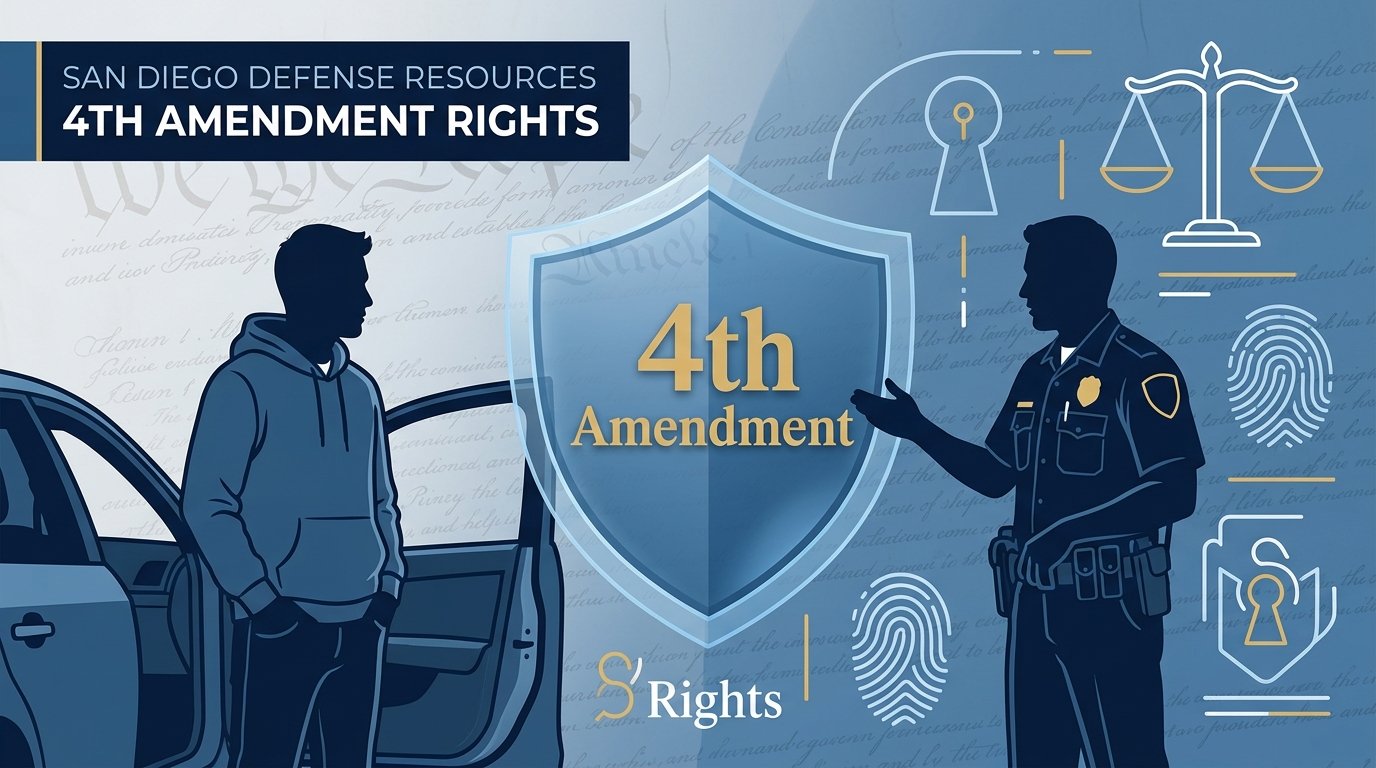
The Fourth Amendment to the U.S. Constitution protects you from unreasonable searches and seizures. This fundamental right applies during every police interaction, from routine traffic stops to more serious investigations. In San Diego County, law enforcement officers must respect these constitutional protections, though the practical application varies depending on the circumstances.
During a traffic stop, police need reasonable suspicion that you’ve violated a traffic law or probable cause that you’ve committed a crime. They cannot pull you over randomly or based solely on profiling. Once stopped, officers can see anything in plain view through your windows, but searching inside your vehicle requires either your consent, probable cause, or a warrant in most situations.
Understanding this distinction is critical. Many people unknowingly waive their Fourth Amendment protections by consenting to searches they have the right to refuse. A criminal defense attorney san diego residents trust will tell you: politely declining a search request is your legal right and doesn’t constitute obstruction.
Your Fifth Amendment Right to Remain Silent
You’ve heard it in countless movies: “You have the right to remain silent.” This Miranda warning stems from your Fifth Amendment protection against self-incrimination. However, this right exists whether or not police read you your Miranda rights—the warning is only required before custodial interrogation.
During a police stop in San Diego, you’re not obligated to answer questions beyond providing identification when required. You can politely state, “I’m exercising my right to remain silent, and I’d like to speak with my attorney.” This isn’t suspicious or uncooperative—it’s constitutionally protected behavior.
Many criminal charges defense cases are built significantly on statements defendants made during police encounters. People often talk because they’re nervous, want to explain themselves, or believe cooperation will make the situation better. Unfortunately, even innocent explanations can be twisted or misinterpreted in ways that support prosecution theories.
When You Must Provide Identification
California law requires you to provide your driver’s license, registration, and proof of insurance during traffic stops. If you’re lawfully arrested, you must provide your name and address. However, beyond these specific requirements, you can decline to answer additional questions without legal consequences.
If officers ask where you’re going, where you’ve been, what you’ve been doing, or whether you’ve been drinking, you can politely refuse to answer. You might say, “Officer, I respect your work, but I prefer not to answer questions without my san diego criminal lawyer present.”
Navigating Traffic Stops: A Step-by-Step Approach
When you see police lights in your rearview mirror, your actions in the next few minutes can significantly impact any potential legal proceedings. Here’s how to handle the situation while protecting your rights:
Immediate Actions
- Pull over safely and promptly in a well-lit area when possible
- Turn off your engine and place your hands on the steering wheel where officers can see them
- Remain calm and avoid sudden movements
- Turn on your interior light if it’s nighttime
- Wait for the officer to approach before reaching for documents
During the Interaction
- Be polite and respectful—attitude matters, even while asserting rights
- Provide your license, registration, and insurance when requested
- You can inform the officer you’re exercising your right to remain silent beyond providing identification
- If asked to step out of the vehicle, comply—officers have the authority to make this request for safety reasons
- Clearly state if you do not consent to any searches: “Officer, I do not consent to searches”
- Avoid arguing, becoming hostile, or physically resisting, even if you believe the stop is unjustified
Document Everything Afterward
As soon as safely possible, write down everything you remember: the time, location, officer names or badge numbers, what was said, whether searches occurred, and any witnesses present. This documentation becomes invaluable if you need to contest the stop or resulting charges with a criminal law attorney near me.
DUI Stops: Special Considerations
DUI checkpoints are common throughout San Diego County, and DUI-related traffic stops follow specific protocols. Officers look for signs of impairment through observations, questions, field sobriety tests, and chemical testing.
You must submit to chemical testing (breath or blood) if lawfully arrested for DUI in California due to implied consent laws. Refusing this test after arrest triggers automatic license suspension and can be used against you in court. However, roadside preliminary alcohol screening (PAS) tests before arrest are generally optional for drivers over 21 not on DUI probation.
Field sobriety tests—walking in a straight line, standing on one leg, following a pen with your eyes—are also typically voluntary. You can politely decline these tests, though officers may still develop probable cause for arrest based on other observations.
DUI cases involve complex scientific evidence and procedural requirements. The distinction between what’s required and what’s voluntary isn’t always clear in the moment, which is why immediately contacting a criminal defense attorney san diego drivers rely on becomes essential after a DUI arrest.
When Police Want to Search Your Vehicle
One of the most important rights during police stops is the right to refuse consent to searches. Unless officers have probable cause, a warrant, or specific circumstances apply (like the “automobile exception” when they have reason to believe the vehicle contains evidence of a crime), they need your permission to search.
If an officer asks, “Mind if I take a look in your car?” or “You don’t have anything illegal in there, do you?” recognize these as requests for consent. You can respond: “Officer, I don’t consent to searches.” You don’t need to provide reasons or explanations.
If officers search anyway, don’t physically interfere. Your remedy comes later through the legal system, where improper searches can lead to evidence suppression. Physical resistance, however, leads to additional criminal charges and potentially dangerous confrontations.
Pedestrian Stops and Detentions
Police interactions aren’t limited to vehicles. Officers can approach and speak with anyone in public, but detaining you—preventing you from leaving—requires reasonable suspicion of criminal activity.
If you’re approached while walking in the Gaslamp Quarter, La Jolla, or anywhere in San Diego, you can ask, “Am I free to leave?” If the officer says yes, you can calmly walk away. If they say no, you’re being detained, and you should continue exercising your right to silence and request an attorney.
Stop-and-frisk situations—where officers pat down your outer clothing for weapons—require reasonable suspicion that you’re armed and dangerous. This is a lower standard than probable cause for arrest but still requires specific, articulable facts, not just hunches.
Understanding Arrest vs. Detention
Not every police encounter results in arrest. A detention (sometimes called a Terry stop) is temporary, limited in scope, and requires only reasonable suspicion. An arrest requires probable cause and involves taking you into custody.
During detention, you’re not free to leave, but you’re not necessarily under arrest. Officers can ask questions and investigate, but you maintain your right to silence. The situation can escalate to arrest if officers develop probable cause during the detention.
If you’re arrested, police should read your Miranda rights before interrogation. Whether or not they do, invoke your rights clearly: “I’m invoking my right to remain silent and my right to an attorney.” Then actually remain silent—many people invoke rights but keep talking, which can waive the protection.
After Arrest: Critical Next Steps
Being arrested is frightening and disorienting, but your actions immediately following arrest significantly impact your case outcome:
- Continue exercising your right to silence—don’t discuss your case with cellmates or on jail phones, which are recorded
- Contact a criminal defense attorney san diego defendants trust as quickly as possible
- Don’t make statements to detectives or investigators without your attorney present, regardless of promises made
- Document everything you remember about the stop, search, and arrest while details remain fresh
Common Mistakes That Harm Your Defense
Even well-intentioned people make critical errors during police encounters that compromise their legal position. Avoid these common mistakes:
Talking too much: Nervousness makes people chatty, but every statement can be used against you. There’s rarely benefit to extensive explanation during police encounters.
Consenting to searches: People often consent because they believe they have nothing to hide or that refusal looks suspicious. Your privacy is a constitutional right, not something to justify.
Lying to police: If you choose to speak, never lie—this creates separate criminal charges and destroys credibility. Silence is legal; lying is not.
Resisting or arguing: Even if the stop seems unjust, the roadside isn’t the place to litigate your rights. Compliance protects your safety; legal challenges come later through proper channels.
Waiting too long to get legal help: Critical evidence disappears, memories fade, and procedural deadlines pass. Early intervention by a san diego criminal lawyer provides the best opportunity for favorable outcomes.
Why Early Legal Representation Matters
The period immediately following a police stop or arrest is critical for your defense. An experienced criminal law attorney near me can begin protecting your rights immediately by:
- Advising you on interactions with law enforcement and prosecutors
- Investigating the circumstances of your stop and arrest for constitutional violations
- Preserving evidence, including police body camera or dashcam footage
- Identifying witnesses and gathering statements while memories remain fresh
- Challenging improper searches, stops, or interrogation techniques
- Negotiating with prosecutors before charges are filed when possible
As a solo practitioner, I provide personal attention to every client facing criminal charges defense challenges. You communicate directly with me, not paralegals or associates. I understand that financial stress accompanies legal stress, which is why I offer flexible financing options to ensure everyone can access quality representation.
Your Rights Are Only Powerful When Used
Constitutional protections exist on paper, but they only work when you actively exercise them. Knowledge without action provides no protection. The next time you encounter law enforcement in San Diego County, remember: you have the right to remain silent, the right to refuse consent to searches, and the right to an attorney.
These aren’t privileges granted by police—they’re constitutional guarantees that law enforcement must respect. Using these rights isn’t uncooperative or suspicious; it’s legally protected self-preservation.
Get Experienced Legal Guidance Today
If you’ve been stopped, searched, or arrested in San Diego County, time is critical. Whether you’re facing DUI charges, drug offenses, theft allegations, or any criminal matter, understanding what happened during your police encounter is fundamental to your defense.
As a dedicated criminal defense attorney serving San Diego, I provide compassionate, personalized representation that treats you with dignity during this difficult time. I’ll thoroughly examine every aspect of your stop and arrest, identify rights violations, and build the strongest possible defense for your situation.
Don’t navigate the criminal justice system alone. Contact my office today for a confidential consultation. Together, we’ll protect your rights, explore your options, and work toward the best possible outcome for your case. Your future is too important to leave to chance—get experienced legal advocacy on your side now.