
If you’ve been charged with a felony in California, you’re likely drowning in unfamiliar legal terms, court dates, and anxiety about what comes next. One phrase you’ll hear early in the process is “preliminary hearing” — and understanding what it means could be one of the most important things you do for your defense.
This article explains what a preliminary hearing is, why it matters, and how a skilled criminal defense attorney in San Diego can use this stage of the process to protect your rights.
What Is a Preliminary Hearing?
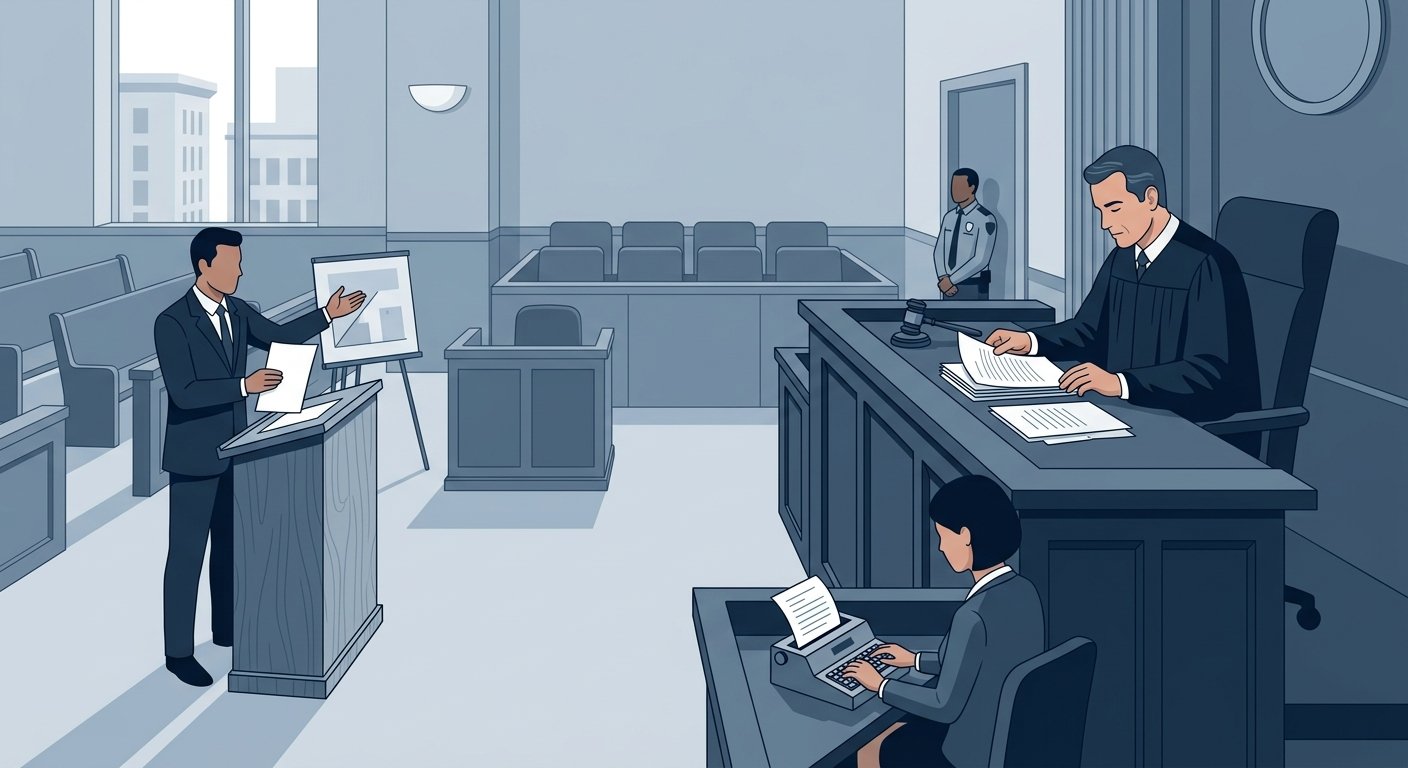
A preliminary hearing is a court proceeding that takes place in felony cases before a trial begins. Sometimes called a “prelim,” it’s essentially a mini-hearing where a judge — not a jury — reviews the prosecution’s evidence to determine whether there is probable cause to believe:
- A crime was committed, and
- The defendant (you) committed it
Think of it as a gatekeeper hearing. The prosecution must show they have enough evidence to justify putting you through a full felony trial. If they can’t meet that threshold, the judge can dismiss the charges or reduce them to a misdemeanor.
Under California Penal Code Section 859b, you have the right to a preliminary hearing within 10 court days of your arraignment if you’re in custody, or within 60 days if you’re out of custody. This timeline matters — and your attorney should be fighting to protect it.
How Is a Preliminary Hearing Different From a Trial?
Many people assume the preliminary hearing is their trial. It’s not — but it’s far from unimportant. Here are the key differences:
- Standard of proof: At trial, the prosecution must prove guilt “beyond a reasonable doubt.” At a preliminary hearing, they only need to show “probable cause” — a much lower bar.
- No jury: A judge decides whether the case moves forward, not a jury of your peers.
- Hearsay rules are relaxed: California Evidence Code rules allow certain types of hearsay testimony at preliminary hearings that wouldn’t be permitted at trial.
- Witnesses may testify: Law enforcement officers, victims, or other witnesses may be called to testify, giving your defense attorney a critical opportunity to cross-examine them under oath.
Even though the bar is lower, a preliminary hearing is a powerful strategic tool. Many defendants don’t realize how much their attorney can accomplish at this stage.
What Happens During a Felony Preliminary Hearing?
Here’s a general overview of how a felony preliminary hearing unfolds in San Diego County courts:
1. The Prosecution Presents Evidence
The district attorney’s office calls witnesses — typically law enforcement officers — to testify about what happened. They may also introduce physical evidence, reports, or recordings.
2. Your Attorney Cross-Examines Witnesses
This is where an experienced San Diego criminal lawyer earns their keep. Cross-examination allows your defense attorney to challenge the credibility of witnesses, expose inconsistencies in testimony, and poke holes in the prosecution’s narrative. What a witness says under oath at the preliminary hearing can be used against them later if their story changes at trial.
3. The Defense Can Present Evidence
While it’s less common, the defense does have the opportunity to call witnesses and introduce evidence at a preliminary hearing. Whether to do so is a strategic decision your attorney will help you make.
4. The Judge Rules
After hearing from both sides, the judge makes one of the following decisions:
- Hold the defendant to answer: The judge finds probable cause and the case proceeds to trial.
- Dismiss the charges: The evidence is insufficient, and charges are dismissed entirely.
- Reduce the charges: The judge determines the evidence only supports a lesser charge, often reducing a felony to a misdemeanor.
Even if the case is held to answer, your attorney may file a motion to dismiss under California Penal Code Section 995, arguing that the magistrate erred in finding probable cause. This is another layer of protection built into California’s felony process.
Why the Preliminary Hearing Is So Strategically Important
Many people going through felony charges in San Diego County focus all their energy on the trial phase. But experienced criminal defense attorneys know the preliminary hearing can be equally decisive. Here’s why:
- Discovery advantage: The hearing forces the prosecution to tip their hand early. You get to see what evidence they have and how strong their witnesses are — before trial.
- Locked-in testimony: When witnesses testify under oath, their statements are recorded. If they change their story at trial, your attorney can use the transcript to impeach them.
- Grounds for suppression: If an officer testifies about how evidence was gathered, your attorney may identify Fourth Amendment violations that could suppress key evidence.
- Leverage in plea negotiations: A weak prosecution showing at the preliminary hearing gives your defense attorney real leverage to negotiate reduced charges or a more favorable plea agreement.
- Possible dismissal: Sometimes, the hearing ends with charges being dropped entirely. That outcome, while not guaranteed in any case, is only possible if you have a skilled attorney fighting for you.
The federal court system also uses similar probable cause determinations, but California’s state court process has its own specific rules and procedures that require local knowledge to navigate effectively.
Do You Have to Have a Preliminary Hearing?
Not always. Under California law, a defendant may waive the right to a preliminary hearing — but doing so is rarely in your best interest unless your attorney has a specific strategic reason. Waiving the hearing means giving up your opportunity to challenge the prosecution’s evidence, lock in witness testimony, and potentially get charges reduced or dismissed.
Additionally, cases involving grand jury indictments bypass the preliminary hearing process entirely. In San Diego County, grand jury indictments are less common, but they do occur in complex cases involving organized crime, public corruption, or large-scale fraud.
What Should You Do Before Your Preliminary Hearing?
If you’re facing felony charges in Escondido, Vista, Oceanside, Carlsbad, Encinitas, or anywhere else in San Diego County, here are some practical steps to take right now:
- Hire an attorney immediately. Time matters. The more time your attorney has to investigate the charges, review evidence, and prepare a strategy, the better positioned you’ll be at the preliminary hearing.
- Do not talk to police without your attorney present. Anything you say — even before formal charges — can be used against you.
- Gather documentation. Keep records of anything related to the alleged incident: texts, emails, receipts, witnesses, or anything that establishes your whereabouts or actions.
- Follow all court conditions. If you’re released on bail or your own recognizance, comply with every condition. Violating conditions can make your situation significantly worse.
- Ask about financing. Cost shouldn’t prevent you from getting proper representation. Many people don’t know that flexible financing options are available to help manage legal fees.
Frequently Asked Questions
How long does a preliminary hearing take in California?
Most preliminary hearings in San Diego County last anywhere from a few hours to a full day, depending on the complexity of the case and the number of witnesses. Some complex felony cases may span multiple days. Your attorney can give you a more specific estimate based on the details of your charges.
Can charges be dropped at a preliminary hearing?
Yes. If the judge finds the prosecution’s evidence insufficient to establish probable cause, charges can be dismissed at the preliminary hearing. While this outcome depends entirely on the specific facts and evidence in your case, it’s one of the key reasons why showing up with strong legal representation is so critical at this stage.
What happens if I waive my preliminary hearing?
If you waive your right to a preliminary hearing, your case proceeds directly to arraignment in Superior Court without the judicial review of probable cause. This means you lose the strategic advantages — including cross-examination opportunities and potential early dismissal — that the hearing provides. Always discuss this decision carefully with your criminal defense attorney before agreeing to it.
Does a preliminary hearing mean I’ll definitely go to trial?
Not necessarily. Even after being held to answer at a preliminary hearing, your case may resolve through a plea agreement, a dismissal following a successful suppression motion, or other pre-trial proceedings. The preliminary hearing is one step in the process, not a verdict.
Do I need a lawyer for a preliminary hearing in California?
Absolutely. The preliminary hearing is one of the most strategically important stages of a felony case. Without an experienced criminal defense attorney, you’re giving up critical opportunities to challenge the prosecution’s evidence, lock in witness testimony, and potentially avoid trial altogether.
Facing Felony Charges in San Diego County? Get Personal Attention Today.
Navigating a felony charge is one of the most frightening experiences a person can face. The stakes — your freedom, your career, your reputation — are enormous. You deserve an attorney who treats your case with the seriousness it deserves and communicates with you directly every step of the way.
At the Law Office of Sean M. Hobson, every client receives personal attention from a licensed California attorney — not a paralegal or junior associate. As a solo practitioner based in Escondido and serving all of San Diego County, Sean Hobson is committed to providing the kind of dedicated, direct representation that makes a real difference in complex felony matters.
Whether you’re dealing with your first felony charge or navigating an intimidating court system for the first time, you don’t have to do it alone. Learn more about your defense options by visiting our criminal defense practice page, or call the Law Office of Sean M. Hobson today at (760) 294-4407 to schedule a consultation. Flexible financing options are available.